A Life Spent
Listening to Grandmothers
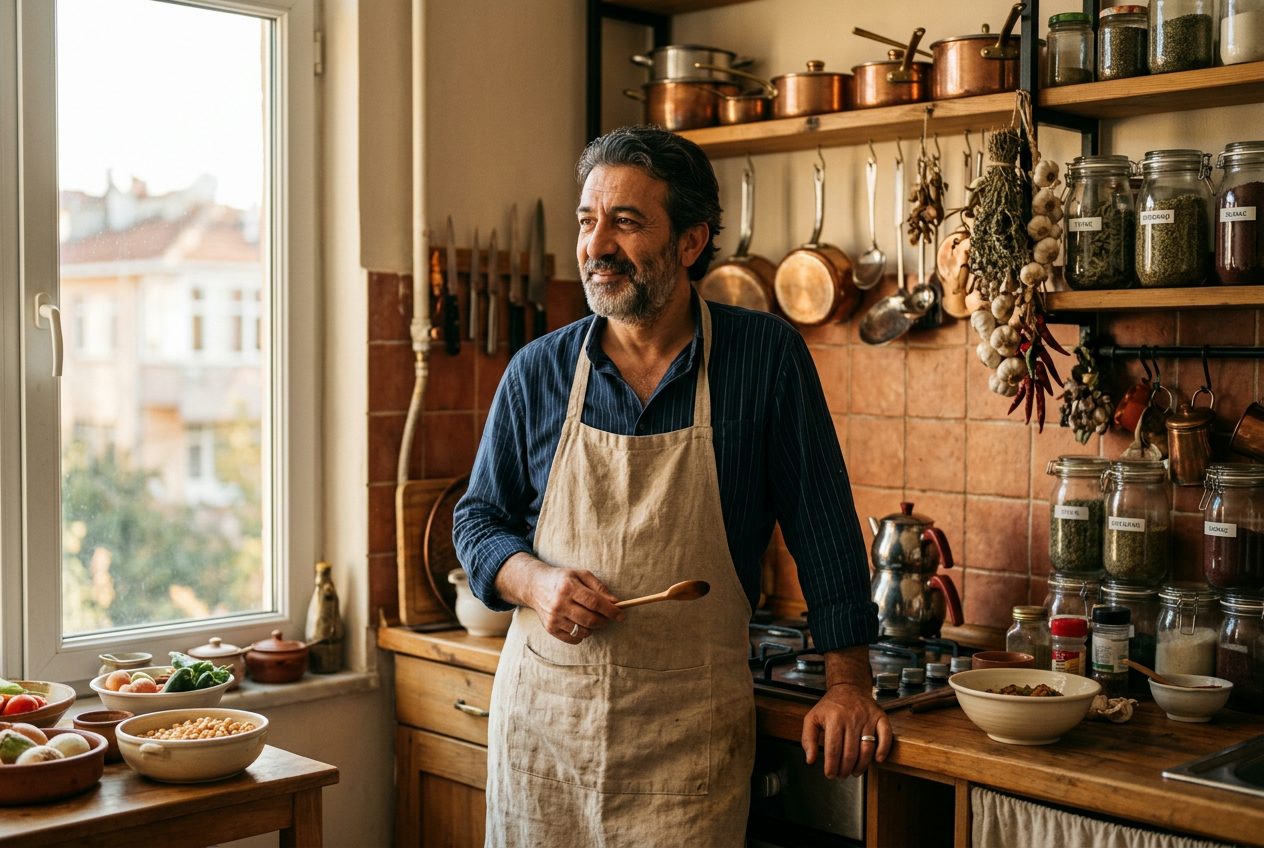
Murat Doğan grew up in Esenler — one of Istanbul's dense, working-class neighbourhoods where the streets smelled of simit in the morning and freshly fried börek by midday. His mother's kitchen was small, perpetually steamed, and the most important room in the house. It was there, pressed against the counter watching onions turn translucent in sunflower oil, that he first understood food as language.
From Esenler to Anatolia
After studying journalism at Marmara University, Murat took a path that surprised his classmates: he spent his summers not in newsrooms, but on buses cutting across Anatolia. Armed with a notebook, a handheld recorder, and an open stomach, he sat in the kitchens of villages in Gaziantep, Kastamonu, Hatay, Kars, and Diyarbakır. He was not looking for restaurant dishes or trendy interpretations. He was looking for the recipes that had never been written down — the ones that lived only in the hands and memories of women who had learned them from their own grandmothers.
In Kastamonu, a 78-year-old woman named Hatice Hanım showed him how to fold a kesme çorbası that her mother had made for winter harvests. In Gaziantep, he recorded a variation of katmer that uses wild pistachios specific to that hillside — a variety now increasingly rare. Each encounter left him with pages of notes and a growing urgency: these recipes were not just disappearing from tables. They were disappearing from the world entirely.
"I realized that the most important culinary archive in Turkey was not in any library — it was in the kitchens of women in their seventies and eighties, many of whom had never been asked to share what they knew."
The Mission to Document Before It Is Too Late
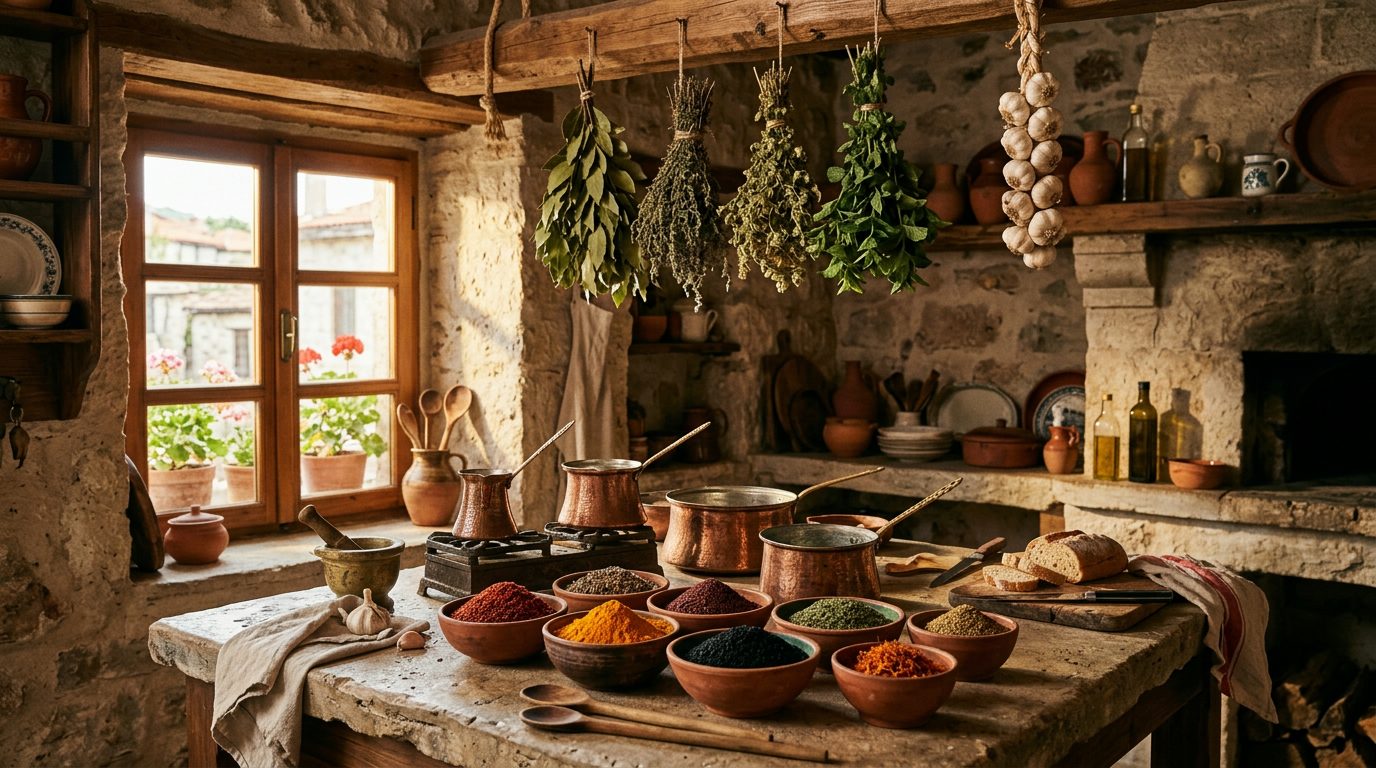
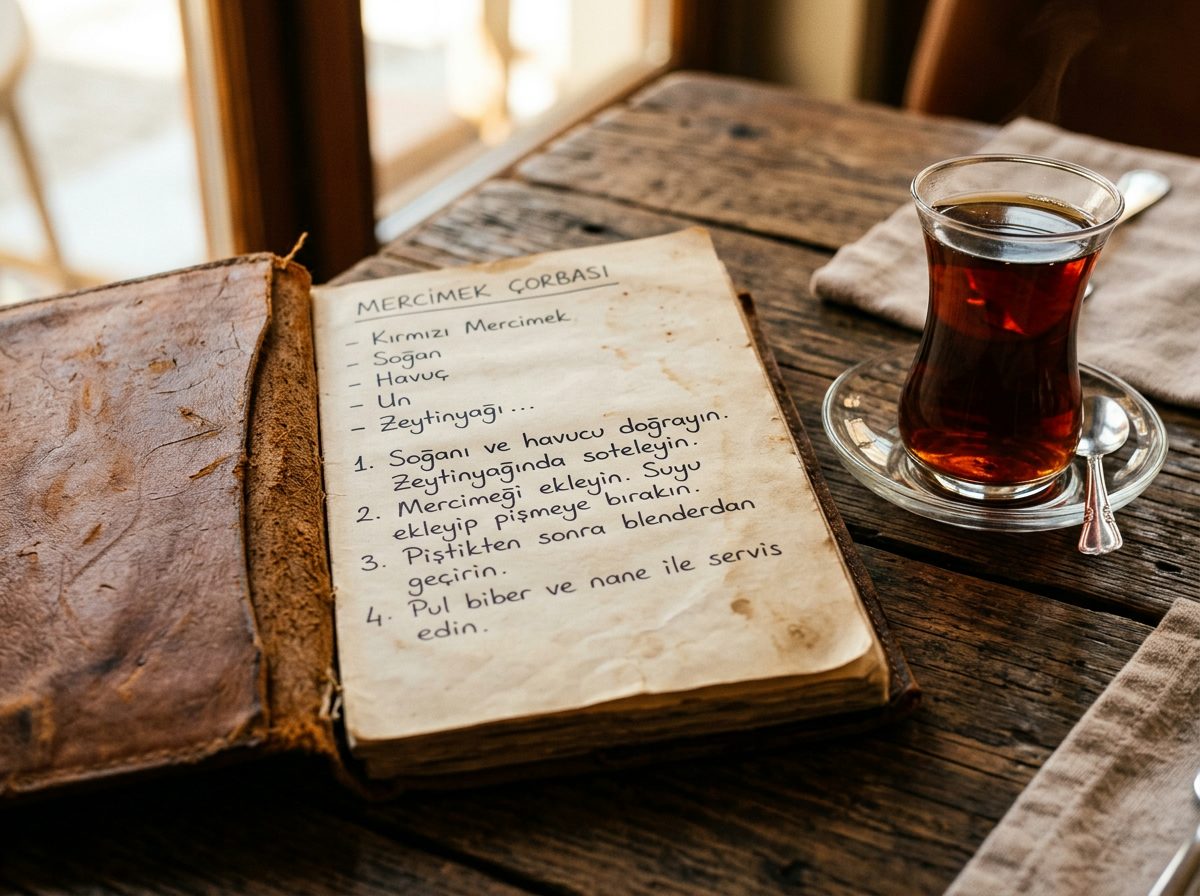
muraty-dogany began not as a food blog in the modern sense, but as a documentation project. Each recipe published here has been tested repeatedly in Murat's Istanbul kitchen, cross-referenced with at least two regional sources, and accompanied by the story of where it came from and who taught it. The photography is deliberately unhurried — no styled food shoots, no artificial light. The same ceramic bowl a köy kadını used in her village kitchen appears in the photos here.
Murat is particularly focused on recipes that have been altered beyond recognition in urban contexts — dishes simplified for apartment kitchens or adjusted for ingredients available in chain supermarkets. His work restores them to their original proportions, original techniques, and original names in their regional dialects where possible. He collaborates with local ethnographers and retired food scientists to ensure accuracy.
The work is non-commercial in intention. There are no sponsored posts, no partnerships with food brands, no recipes adjusted to include a particular product. The mission, in Murat's own words, is singular: to give these recipes and the women who carried them the documentation and dignity they deserve before time makes that impossible.
Regions Researched
GaziantepHatayKastamonuKarsDiyarbakırTrabzonKonyaErzurumİzmirBoluSafranboluŞanlıurfaMardinBursa